What is the Harajuku Style
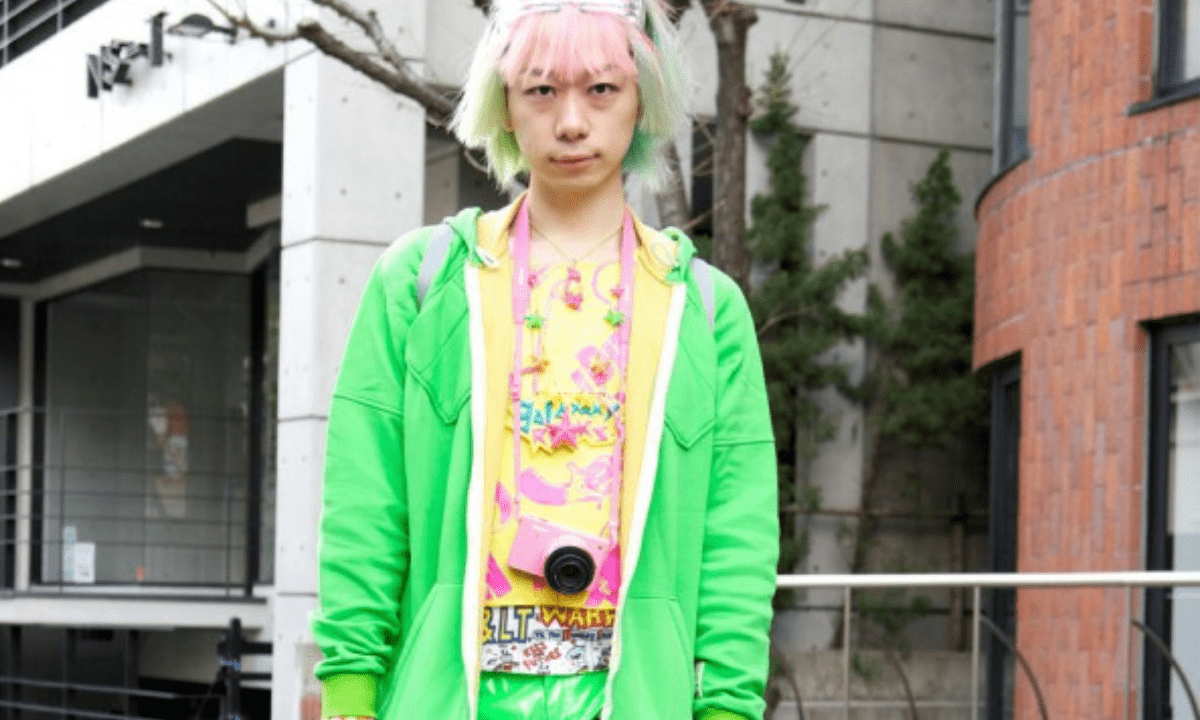
Harajuku style is a famous jap fashion movement that originated within the Harajuku district of Tokyo. Harajuku is not just a place, but a cultural symbol regarded around the world for its formidable, creative, and unconventional fashion. not like mainstream fashion tendencies that observe strict regulations, Harajuku fashion celebrates individuality, freedom of expression, and private creativity. It lets humans get dressed in approaches that replicate their identity, emotions, and imagination without fear of judgment.
The Harajuku style scene began to gain popularity in the late 1970s and Nineteen 1980s, especially among young people. On weekends, young adults and teens could gather near Harajuku Station and Takeshita Street to express their unique clothing. These fashion styles have often been inspired by Western garb, anime, manga, music, and historical jap elements. Over the years, Harajuku fashion developed into an international fashion phenomenon that prompted designers, musicians, and artists worldwide.
One of the most important functions of Harajuku style is its variety. There can be no single “Harajuku appearance.” As a substitute, it consists of many unique substyles, each with its very own characteristics. Some well-known substyles encompass Lolita, Gothic, Decora, visible Kei, Fairy Kei, and Kawaii fashion. Lolita style specializes in Victorian and Rococo-stimulated apparel with lace, bows, and modest silhouettes. Gothic fashion regularly uses darkish sunglasses, dramatic make-up, and mysterious problems. Decora fashion is bright, playful, and heavily accessorized, frequently proposing colorful hair clips, toys, and layered garb.
Every other key detail of Harajuku fashion is the idea of blending and matching. People frequently integrate garments from special eras, cultures, and styles to create something absolutely new. For example, a person might wear a traditional kimono-styled jacket with modern shoes, neon accessories, and dyed hair. There are no strict fashion regulations, and creativity is more important than perfection. This freedom makes Harajuku fashion precise and inspiring.
Harajuku fashion is likewise closely related to youth culture and self-expression. Many younger people use fashion as a way to express their persona, beliefs, or feelings. For a few, dressing in Harajuku fashion is a way to get away from social strain and expectations. In a society in which conformity is regularly endorsed, Harajuku fashion provides an area in which individuality regularly occurs and is celebrated.
Media and popular culture played a great role in spreading Harajuku fashion around the world. Japanese magazines, street pictures, and international artists, inclusive of Gwen Stefani, helped introduce Harajuku fashion to a global audience. Fashion brands and designers have additionally drawn inspiration from Harajuku’s ambitious hues and experimental designs, bringing elements of the style into mainstream style.
Despite changes over the years, Harajuku fashion remains an important part of jap style culture. Whilst the streets can also appear special nowadays as compared to the early days, the spirit of Harajuku fashion—creativity, freedom, and self-expression—nonetheless exists. Many style enthusiasts strive to keep the style alive via social media, style occasions, and independent clothing manufacturers.
In end
Harajuku style is more than just garb; it’s a form of inventive expression and cultural identity. It represents freedom, creativity, and the bravery to be extraordinary. With the aid of encouraging people to show themselves beyond limits, Harajuku fashion has turned out to be one of the most influential and inspiring international fashion styles.










Post Comment