Jyokyo in Pop Culture: The Dream and the Reality
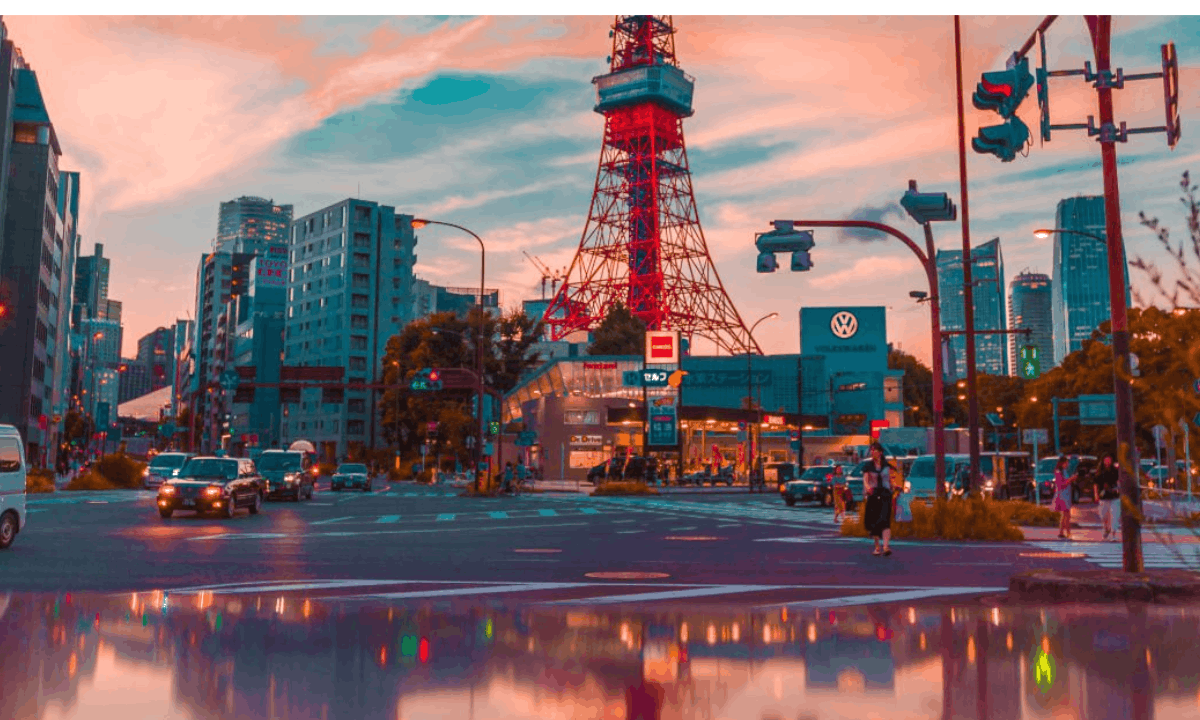
The idea of Jyokyo started to take structure at some point during the Edo period (1603–1868). Below the sankin-kōtai machine, feudal lords (daimyo) had been required to journey to Edo (modern-day Tokyo) every other year. This created an everlasting infrastructure of roads and a cultural mindset that the capital used to be the center of electricity, fashion, and intellect.
However, the term virtually solidified for the duration of the Meiji healing. As Japan modernized, the Emperor moved from Kyoto to Tokyo, making “heading to the capital” the closing image of becoming a member of the “New Japan.” For a young individual in a farming village in the 1800s, Jyokyo was once the only way to get away from an inflexible class machine and gain the advantages of a present-day schooling.
The Modern Jyokyo: A Rite of Passage
Nowadays, Jyokyo is a standard ceremony of passage for hundreds of thousands of younger jap people. Each April—the start of the Japanese academic and economic 12 months—train stations are full of “rookies” and new company recruits carrying suitcases, leaving behind their prefectural roots for the neon lighting of Shinjuku and Shibuya.
1. The Educational Pull
Japan’s college gadget is quite centralized. The “massive 3” and different prestigious institutions are concentrated in Tokyo. For a student in Hokkaido or Kyushu, Jyokyo isn‘t always a sorting however a necessity; however, if they wish to attend a pinnacle-tier university. This pass frequently marks the first time a younger character lives alone, leading to a unique lifestyle of “one-room” condominium dwelling.
2. The Economic Engine
Tokyo accounts for a massive part of Japan’s GDP. For plenty of industries—media, style, tech, and finance—Tokyo is the only place in which top-level jobs exist. The “Jyokyo recruit” is a staple of the Japanese staff: the hardworking person who brings the grit and values of the geographical region to the excessive-pressure surroundings of the capital.
The “Jyokyo Blues”: The Psychological Toll
Even as Jyokyo is associated with fulfillment, it also has a despair aspect. The transition from a good-knit rural network in which “all of us are aware of each person” to the bloodless anonymity of a forty-million-character city can be jarring.
- Isolation: Many inexperienced persons experience domestic-sickness (homesickness) or the “may also sickness” (gogatsu-byo), a period of despair that often hits after the preliminary pleasure of the past wears off.
- Cultural conflict: Japan has numerous nearby dialects (ben). A scholar from Osaka or Hiroshima may experience self-awareness of their accent in Tokyo, leading to a duration of “accent knocking down” to become healthy in the standardized Tokyo speech.
The Historical Roots of Jyokyo
Because the revel is so typical, Jyokyo is a dominant theme in Japanese media. It serves as a story shorthand for boom, loss of innocence, and the pursuit of dreams.
- music: there is a whole subgenre of “Jyokyo songs.” Those tracks usually contain a protagonist sitting on a nighttime bus or a Shinkansen, looking out the window at the disappearing lights in their native land, promising to return solely once they’ve “made it.”
- Anime and Manga: well-known works like Nana or Blue duration focus closely on the war of transferring to Tokyo. They depict the cramped flats, the low-salary component-time jobs (arubaito), and the fierce opposition that defines the town.
- Cinema: conventional movies like Tokyo Story discover the gap—each bodily and emotional—that grows among mother and father inside the countryside and kiddies who’ve passed through Jyokyo.
The Macro Impact: Over-Concentration and Rural Decay
On a countrywide stage, the “Jyokyo phenomenon” has created a significant demographic crisis known as 極点社会 (Kyokuten Shakai) or “Polarized Society.”
As the youngsters continue to head to the capital, rural prefectures are left with an getting old populace and “ghost towns” (akiya). The Japanese authorities have lately started presenting economic incentives—as much as millions of yen—to households inclined to “opposite-Jyokyo” or flow out of Tokyo to rural regions to revitalize the countryside.
Preparing for Your Own Jyokyo: Tips for Newcomers
In case you are making plans to move to Tokyo, the perception of the “Jyokyo way of life” is fundamental to survival:
- The initial cost: getting into a Tokyo condominium often requires “Key money” (reikin) and a credit score (shikikin). It’s a far and luxurious hurdle that defines the early Jyokyo experience.
- Commuter lifestyle: learning to navigate the world’s most complicated education machine is the first “take a look at” of a real Tokyoite.
- locating community: due to the fact that the metropolis is so large, a success “Jyokyo-ers” regularly find community through “Prefectural institutions” (kenjin-kai), where human beings from the same hometown collect in Tokyo to consume regional food and communicate their local dialect.
Conclusion: The Eternal Journey
Jyokyo is more than just a geographic relocation; it is a state of mind. It represents the Japanese spirit of “Gambaru” (doing one’s best). Whether it’s a student aiming for Tokyo college or an artist hoping to catch their huge wreck in Harajuku, the adventure to the capital remains the last eastern tale of ambition.
At the same time, the government might also attempt to decentralize the country, the attraction of Tokyo—the “town of desires“—continues to drag the heartstrings of the youth inside the nation-state. As long as there’s a capital, there might be Jyokyo.













Post Comment