Cracking the Clue: What a “current Farm technology” certainly capability
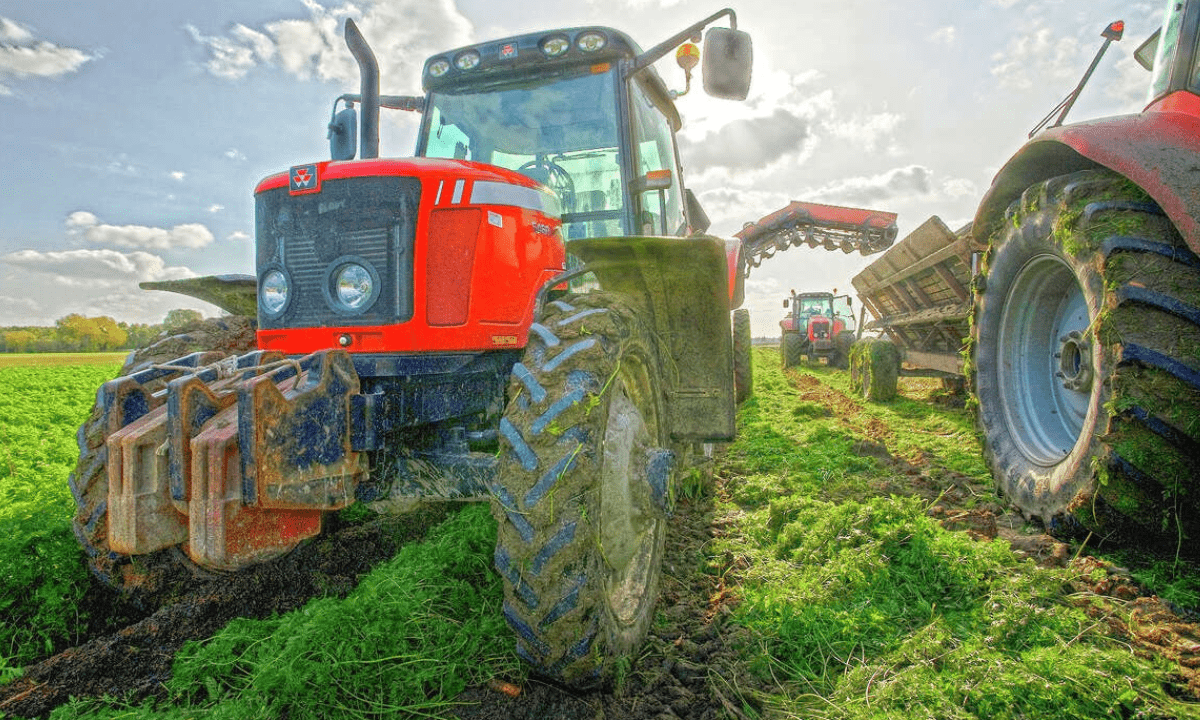
The word “modern-day farm era” may additionally sound like something drawn from a futuristic novel, but it displays a very actual transformation already reshaping agriculture across the globe. Farming, as a conventional and labor-extensive exercise, is unexpectedly evolving into an excessive-tech, facts-driven, and tremendously green enterprise. grasp what this new technology capacity requires searching past tractors and green fields to discover the improvements, mindsets, and worldwide forces pushing agriculture into its most advanced degree in records.
From culture to era
For centuries, farming relied on revel in, instinct, and manual labor. However, cutting-edge agriculture now combines centuries of knowledge with breakthroughs in technology and era. This shift is driven by two challenges: a growing worldwide population—anticipated to surpass nine billion within the coming decades—and shrinking agricultural land brought on by urban growth and climate trade. To feed extra humans with fewer resources, farming should be smarter, quicker, and more productive.
Input the cutting-edge farm generation, in which statistics replaces guesswork, robots lessen physical pressure, and sustainable practices hold the planet’s sources. In other phrases, farming is now not solely approximately growing vegetation—it’s about innovation, precision, and efficiency.
Key features of the brand new Farming landscape
1. Clever Machines and Robotics
Automated tractors, drones, and robot harvesters are revolutionizing farm operations. These machines can plant seeds, screen soil great, follow fertilizers, and even choose fruits with accuracy and speed human beings cannot match. Drones, as an instance, provide aerial surveys that assist farmers come across pests or crop illnesses long before they unfold.
2. Precision Agriculture
This is the coronary heart of modern-day technology. Precision agriculture makes use of GPS, sensors, and satellite tv for pc records to make sure that every inch of farmland gets precisely what it desires—no extra, no less. Water, fertilizers, and insecticides can be carried out with surgical precision, lowering waste, cutting prices, and protecting the environment.
3. synthetic intelligence and big records
AI allows farmers to make choices based on actual-time facts. weather predictions, soil readings, crop overall performance, and market fees may be analyzed instantly. In place of relying on instinct, farmers use predictive algorithms to choose planting dates, irrigation schedules, and crop types most probably to be successful.
4. Vertical and concrete Farming
As towns enlarge, farms are transferring upward—actually. Vertical farms use stacked layers of interior managed environments to develop vegetation with minimal soil and water. This innovation reduces transportation expenses and brings sparkling produce at once into urban centers.
5. Sustainable solutions
Modern-day farm technology isn’t pretty much multiplied output—it’s about responsible manufacturing. technologies selling renewable power, natural fertilizers, and closed-loop water systems are supporting farms that reduce carbon footprints even as retaining high yields.
Why this era topics
The importance of this agricultural revolution extends far beyond farmers. It impacts:
- Customers, who gain admission to more energizing, more healthy, and extra various meals at solid fees.
- Governments and economies, which rely upon agriculture as a foundation for employment and food protection.
- The surroundings, which benefits from lower emissions, reduced waste, and greater sustainable land use.
In a global environment going through climate instability and meals shortages, cutting-edge farming offers solutions that make certain long-term survival and prosperity.
The street beforehand
While the possibilities are exciting, demanding situations remain. Excessive costs, loss of schooling, digital divides, and resistance to exchange can slow adoption. However, history suggests that when innovation takes root, it spreads. As the era turns into greater handy, even small farms will gain admission to tools once reserved for commercial agriculture.
The cutting-edge farm era is not a distant dream—it is the reality unfolding before our eyes. It promises a future where fields are not just patches of soil but ecosystems of intelligence, efficiency, and sustainability. Agriculture, once viewed as tradition-bound, has entered a bold new chapter—one where the tools of tomorrow feed the world today.














Post Comment