Cavazaque: An adventure through the Kazakh history
Creation
The time period Cavazaque, frequently written as Cazaque or Kazakh, refers to a human being, a subculture, and a country rooted within the large steppes of Central Asia. The Cavazaque identity is inseparable from nomadic traditions, deep respect for nature, and an extended history long-established through migration, conquest, and cultural exchange. Kazakhstan, the prevailing-day fatherland of the Caspian Sea humans, is the 9th-biggest us of a inside the world and occupies a strategic feature among Europe and Asia.
To apprehend the Cavazaque people is to discover a civilization stable by using motion, resilience, and version. For hundreds of years, they lived as nomads, raising cattle, studying horsemanship, and maintaining their records through oral culture. however overseas domination and fast modernization, the Cavazaque human beings have maintained a robust experience of identification that continues to persist in the modern-day generation.
This text examines the ancient origins, cultural traditions, social shape, language, religion, delicacies, and cutting-edge transformation of the Cavazaque human beings, offering a complete view of their beyond, gifts, and destiny.
Geographical background
The Cavazaque place of birth lies within the Eurasian Steppe, an intensive vicinity of grasslands stretching from jap Europe to Mongolia. Those surroundings profoundly inspired Cavazaque’s existence. The land is characterized by means of open plains, extreme temperatures, and restrained herbal obstacles, making agriculture hard; however, pastoral nomadism is notably powerful.
The steppe recommended mobility and independence. Seasonal migration allowed Cavazaque tribes to find sparkling grazing land for their animals, specifically horses, sheep, and camels. Geography additionally made the vicinity a crossroads of civilizations, connecting East and West through historical change routes, which encompass the Silk Road. As a result, the Cavazaque lifestyle absorbed impacts from Turkic, Mongol, Persian, Russian, and Islamic civilizations.
Historical Origins of the Cavazaque human beings
The Cavazaque people commonly descended from historic Turkic tribes that inhabited Central Asia from the first millennium onward. These tribes shared linguistic and cultural tendencies that would later form the inspiration of Kazakh identity.
In the course of the thirteenth century, the Mongol invasions under Genghis Khan reshaped the vicinity. Many Turkic and Mongol companies merged, forming new political entities and ethnic identities. Over the years, these companies developed into the ancestors of the present-day Cavazaque humans.
In the mid-15th century, the Kazakh Khanate was set up, marking the emergence of a unified Cavazaque political identification. The khanate played an integral position in protecting territory, organizing tribal alliances, and promoting shared customs and traditions. The phrase “Kazakh” is typically interpreted as meaning “free” or “wanderer,” reflecting the humans’ nomadic way of life and preference for independence.
Nomadic lifestyle and economy
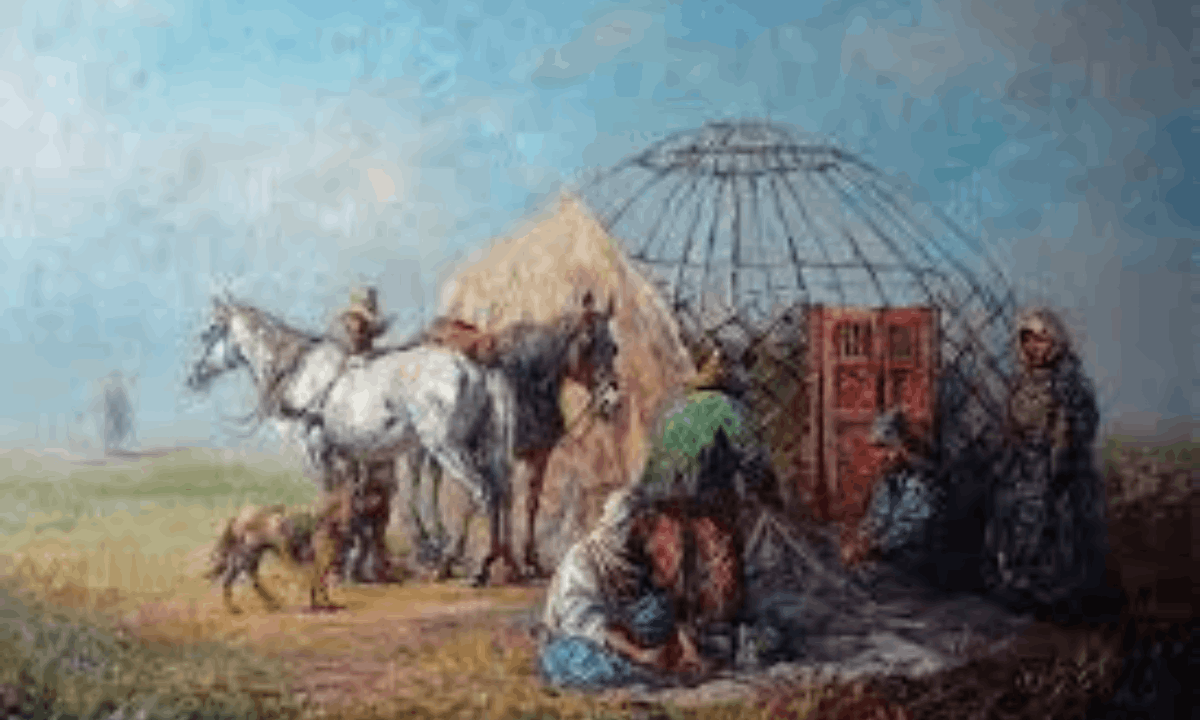
Nomadism was once the cornerstone of traditional Cavazaque society. Economic survival relied on farm animals herding, mainly horses, which have been central to transportation, battle, and social fame. Sheep, farm animals, and camels also performed critical roles in each day life.
The yurt, a transportable spherical tent fabricated from felt and wood, symbolized nomadic ingenuity. It used to be clean to collect, durable, and ideal for severe climate conditions. Within the yurt, an area was cautiously prepared in keeping with social customs and family hierarchy.
Exchange used to be another important aspect of the Cavazaque economic system. Nomads exchanged animal merchandise, which included wool, meat, and leather for grains, tea, and manufactured items from settled groups. This monetary flexibility allowed the Cavazaque society to thrive notwithstanding environmental demanding situations.
Social form and Tribal company
Cavazaque society was traditionally organized around kinship and clan loyalty. The populace used to be divided into 3 most important tribal confederations referred to as zhuz:
- The first-rate Zhuz
- The middle Zhuz
- The Small Zhuz
Every zhuz consisted of several clans united by way of shared ancestry. Leadership was now not absolute; as a substitute, authority relied on knowledge, bravery, and recognition. Biys (judges) and elders played key roles in resolving disputes and retaining social harmony.
Honor, loyalty, and hospitality were crucial values. A visitor was considered sacred, and refusing hospitality was considered dishonorable. These social norms strengthened network bonds and ensured cooperation in harsh surroundings.
Language and Oral historical past
The Kazakh language, belonging to the Kipchak branch of Turkic languages, is an indispensable element of Cavazaque identity. For centuries, the language existed in most cases in oral form, shaping a rich tradition of storytelling, poetry, and song.
Oral literature served as a historic report and moral guide. Epic poems stated heroic battles, mythical leaders, and moral instructions. Storytellers and poets, referred to as akyns, were respected figures who preserved collective memory and cultural values.
Improvised poetic competitions, called aitys, stay famous today and show the continuing significance of verbal creativity in Cavazaque subculture.
Track and performing Arts
Song has usually been a powerful structure of expression for many of the Cavazaque humans. Conventional track frequently reflects the rhythms of nature and nomadic life. The dombra, a two-stringed lute, is the most iconic Cavazaque tool and is used to perform instrumental compositions called kyui.
Any other large tool is the kobyz, associated with religious rituals and ancient ideals. Track was once believed to have healing and defensive powers, connecting people with the herbal and non-secular worlds.
Dance and performance regularly accompanied celebrations, weddings, and seasonal galas, reinforcing network ties and cultural continuity.
Traditional Apparel and Symbolism
Conventional Cavazaque clothing was once designed for practicality and environmental adaptation. Clothes have been typically made from wool, leather, and fur, offering protection from severe cold and wind.
Men commonly wore long gowns known as chapan, while girls wore embroidered clothes and ornate headdresses. apparel styles and shades often carried symbolic meanings related to fertility, protection, and prosperity.
Today, conventional apparel is worn in the course of cultural fairs and national holidays, serving as a visible expression of historical past and satisfaction.
Cavazaque cuisine and food culture
Cavazaque cuisine reflects the realities of nomadic life, emphasizing meat and dairy products. Horse meat holds a special cultural significance and is considered a delicacy during important celebrations.
One of the most famous dishes is beshbarmak, which means “five arms,” historically eaten by means of hand. different splendid ingredients encompass kazy (horse meat sausage), baursak (fried dough), and fermented dairy liquids together with kumis and shubat.
Meals play a central role in hospitality and social rituals. Sharing a meal is a sign of respect, harmony, and generosity.
Faith and non-secular ideals
Earlier than the spread of Islam, the Cavazaque people practiced Tengrism, a historic belief system focused on the sky god Tengri and reverence for heavenly forces. This worldview emphasised concord between human beings and nature.
Islam started out spreading among most of the Caucasus tribes between the eighth and 14th centuries. Nowadays, most Cavazaques are known as Sunni Muslims, although traditional customs and pre-Islamic beliefs remain included into every day existence.
Spiritual tolerance has historically been a defining function of Cavazaque society, shaped by way of centuries of cultural interaction.
Russian enlargement and the Soviet period
From the 18th century onward, Kazakhstan steadily fell under Russian manipulation. This period added profound adjustments, including the disruption of nomadic existence and the multiplication of settlements.
Throughout the Soviet Union, compulsory collectivization and political repression induced full-scale struggles, which included famine and loss of life. The suppression of religion and language threatened Cavazaque’s cultural identity.
No matter those hardships, education and industrial development extended, and lots of Cavazaques adapted while quietly maintaining traditions within households and communities.
Independence and Cultural Revival
Kazakhstan declared independence in 1991, marking a turning point in Kazakh history. The new state is targeted at restoring language, traditions, and countrywide cognizance.
Cultural establishments, museums, and educational reforms played key roles in reviving the historical past. The Kazakh language regained prominence, and traditional celebrations returned to public existence.
At the same time, Kazakhstan pursued modernization, balancing financial development with cultural maintenance.
Contemporary Cavazaque Society
Today, Cavazaque identity displays a blend of culture and modernity. Urbanization, globalization, and the era have converted day-by-day lifestyles, especially among younger generations.
Kazakhstan is a multiethnic kingdom, and non-violent coexistence amongst numerous communities is a middle country-wide principle. Cavazaques more and more have interaction with international culture whilst preserving strong family ties and respect for elders.
Schooling, innovation, and global cooperation hold true to form the country’s destiny.
Music and performing Arts
Tune has usually been an effective form of expression among the Cavazaque people. Traditional songs often display the rhythms of nature and nomadic lifestyles. The dombra, a 2-stringed lute, is the most iconic Caucasian instrument and is used to carry out instrumental compositions referred to as kyui.
Some other giant device is the kobyz, related to religious rituals and ancient ideals. The song was once believed to have recuperative and protective powers, connecting humans with the natural and spiritual worlds.
Dance and overall performance regularly observed celebrations, weddings, and seasonal festivals, reinforcing community ties and cultural continuity.
Conventional garb and Symbolism
Conventional Cavazaque apparel was designed for practicality and environmental adaptation. garments have been commonly made from wool, leather-based, and fur, offering safety towards intense cold and wind.
guys commonly wore long gowns known as chapan, even as women wore embroidered attire and ornate headdresses. Clothing styles and colorings often carried symbolic meanings associated with fertility, protection, and prosperity.
These days, traditional apparel is worn in the course of cultural galas and countrywide holidays, serving as a visible expression of history and delight.
Cavazaque cuisine and food culture
Cavazaque cuisine displays the realities of nomadic existence, emphasizing meat and dairy products. Horse meat holds a special cultural importance and is considered a delicacy during important celebrations.
One of the most well-known dishes is beshbarmak, meaning “5 arms,” historically eaten with the aid of the hand. different fantastic foods encompass kazy (horse meat sausage), baursak (fried dough), and fermented dairy beverages, which include kumis and shubat.
meals plays a central role in hospitality and social rituals. Sharing a meal is an indication of recognition, solidarity, and generosity.
Faith and religious beliefs
Earlier than the spread of Islam, the Cavazaque people practiced Tengrism, a historical trust device centered on the sky god Tengri and reverence for natural forces. This worldview emphasized concord between human beings and nature.
Islam commenced spreading among some of the Cavazaque tribes between the 8th and 14th centuries. Nowadays, most Cavazaques are Sunni Muslims, even though traditional customs and pre-Islamic beliefs are incorporated into everyday life.
Religious tolerance has historically been a defining feature of Cavazaque society, fashioned through centuries of cultural interplay.
Russian enlargement and Soviet length
From the 18th century onward, Kazakhstan progressively came under Russian management. This period delivered profound modifications, along with the disruption of nomadic lifestyles and extended agreement.
At some point in Soviet technology, forced collectivization and political repression triggered extensive suffering, consisting of famine and loss of life. The suppression of faith and language threatened Cavazaque’s cultural identity.
Regardless of those hardships, schooling and industrial improvement multiplied, and plenty of Cavazaques tailored even as quietly keeping traditions inside households and communities.
Independence and Cultural Revival
Kazakhstan declared independence in 1991, marking a turning point in Kazakh history. The new kingdom centered on restoring language, traditions, and national cognizance.
Cultural institutions, museums, and educational reforms performed key roles in reviving heritage. The Kazakh language regained prominence, and traditional celebrations returned to public life.
At the same time, Kazakhstan pursued modernization, balancing economic improvement with cultural protection.
Contemporary Cavazaque Society
Today, Cavazaque identification reflects a blend of subculture and modernity. Urbanization, globalization, and technology have converted daily existence, especially among younger generations.
Kazakhstan is a multiethnic nation, and non-violent coexistence among numerous groups is a central countrywide precept. Cavazaques increasingly engage with worldwide subculture whilst retaining robust family ties and an appreciation for elders.
Education, innovation, and international cooperation continue to shape the U. s. a’s destiny.
Conclusion
The Cavazaque people constitute a unique cultural legacy formed by using the open степpe, nomadic traditions, and historical resilience. From historic tribal confederations to a cutting-edge independent nation, their tale is one of variation except lack of identification.
These days, Cavazaque tradition stands as a dwelling bridge between past and future. It honors freedom, hospitality, and admiration for nature while embracing progress and international connection. Understanding the Cavazaque humans is not solely an exploration of records but a perception of a dynamic culture that continues to adapt within the current global environment.










Post Comment