The Evolution of Fight Night: From the Canvas to the Console
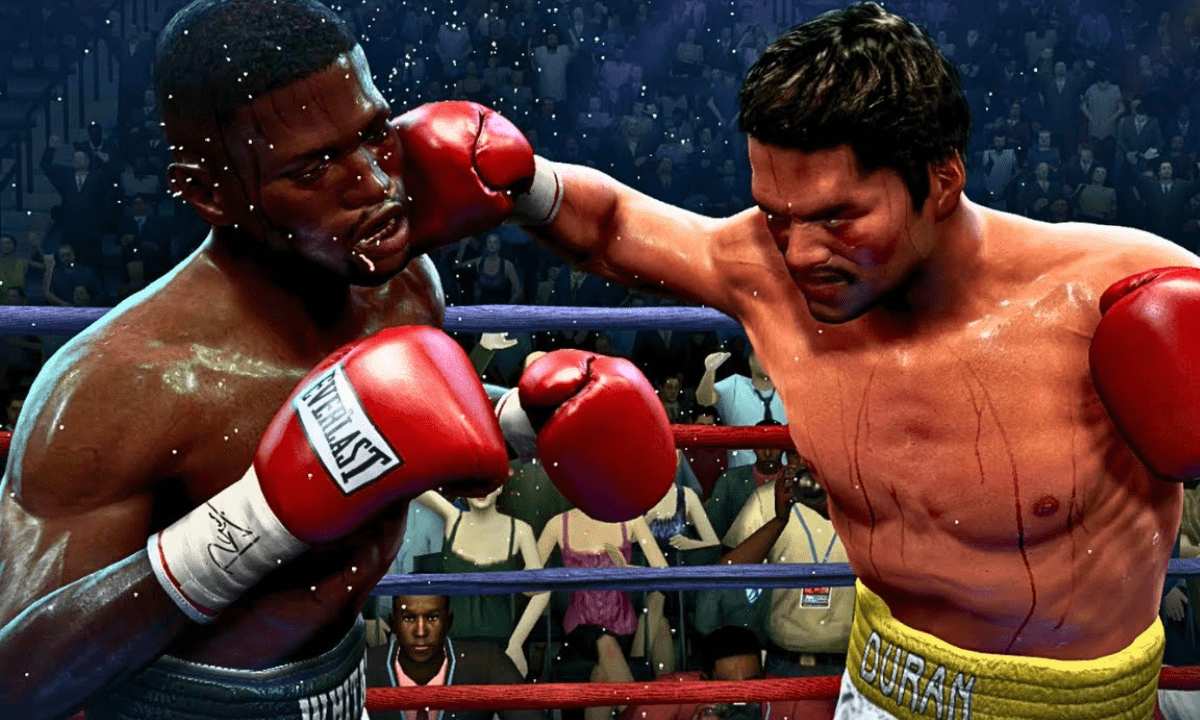
The phrase “warfare nighttime” incorporates a visceral weight. It’s an evocative term that conjures photographs of smoke-crammed arenas, the rhythmic thud of leather against skin, and the electric anxiety of a crowd held in suspense. But, over the past two years, “hostilities night” has transcended the bodily boxing ring to emerge as a cultural touchstone within the virtual world. Whether you are discussing a Saturday night Pay-in keeping with-View major event or the legendary EA sports online game franchise, the essence stays the same: the ultimate test of skill, persistence, and heart.
The Primal Appeal of the Ring
At its core, a fight night is the purest form of sports enjoyment. In contrast to team sports activities, in which an individual participant’s mistake may be protected by a teammate, combat sports activities provide no such sanctuary. while the bell jewelry, 2 people input a space wherein they’re stripped of the entirety, however, their preparation and their will.
Historically, boxing was once the only owner of the “fight night” moniker. From the mythical “Rumble inside the Jungle” to the contemporary-day spectacles in Las Vegas and Saudi Arabia, these events are more than just suits; they are global happenings. They represent the “candy technology”—a brutal but beautiful show of $F = ma$ (force equals mass times acceleration), where a superbly timed counter-punch can rewrite records in a fragment of a second.
The Digital Revolution: EA Sports Fight Night
Even as actual-international boxing has its ups and downs, the term “fight night” received a 2d lifestyles inside the early 2000s through EA Sports. Before the UFC dominated the gaming marketplace, Fight Night Round 3 and Combat Nighttime Champion were the gold standards of sports simulations.
These video games did something revolutionary: they moved far from button-mashing and brought the total Punch management device. via the use of the analog sticks to imitate the movement of hooks, jabs, and uppercuts, gamers felt a physical connection to the movement. It wasn’t just about hitting a button; it was approximately the physics of the motion.
Why the collection stays a cult tradition:
- The Physics Engine: It added “stumble” mechanics and realistic sweat/blood results that had been years ahead in their time.
- The tale Mode: combat night time Champion brought “Andre Bishop,” a cinematic narrative that explored the dark underbelly of boxing corruption.
- The Roster: It allowed fans to settle “what if” debates, pitting Muhammad Ali against Mike Tyson of their respective primes.
Although the closing installment used to be launched over a decade in the past, the gaming network still treats the “combat night” brand with a level of reverence rarely seen in sports gaming. Every yr, rumors of a revival surface, proving that the starvation for a dedicated boxing simulation stays unsated.
The Modern Fight Night: A Multi-Disciplinary Spectacle
Nowadays, the panorama of an average nighttime combat night has shifted. The upward thrust of Mixed Martial Arts (MMA), in particular the UFC, has redefined what fanatics assume. A contemporary “combat night time” isn’t always pretty much 12 rounds of boxing; it’s a showcase of versatility, incorporating wrestling, Brazilian Jiu-Jitsu, Muay Thai, and Judo.
The UFC’s “fight night” collection mainly democratized struggle sports. By airing excessive-level bouts on trendy cable or streaming systems (like ESPN+), the barrier to entry was lowered. You failed to need $eighty for a PPV to watch an international-class knockout; you simply needed to sing on a Saturday evening.
The Anatomy of a Great Fight Night
What makes an occasion surely memorable? It’s rarely pretty much the Genius of the warring parties. It’s a aggregate of several key elements:
- The Stakes: A title on the road adds gravity, but a personal grudge often provides the “warmth” that captures the public’s imagination.
- The atmosphere: From the walkout song to the roar of the crowd, the sensory experience is fundamental.
- The Underdog story: not anything captivates a target audience like a fighter who is “down on the playing cards” finding a way to win in the final round.
- Technical Mastery vs. uncooked electricity: The most compelling fights are frequently a “chess match” between a technical wizard and a knockout artist.
The Future: Virtual Reality and Beyond
As we look in the direction of the future, “fight night time” is poised to evolve once more. Virtual reality (VR) is already beginning to simulate the experience of being in the ring with startling accuracy. games like Thrill of the Combat use 1-to-1 movement monitoring, turning a gaming consultation into a valid cardiovascular exercise.
Furthermore, the “influencer boxing” trend—find it irresistible or hate it—has introduced a brand new demographic to the concept of fight night. Millions of visitors who have never watched conventional boxing in shape are actually tuning in to watch YouTubers and athletes from other sports activities test their mettle. At the same time, purists may also recoil, but it guarantees that the “fight night” plan stays a profitable and relevant part of the leisure enterprise.
Conclusion
Whether it‘s miles, the sound of a glove hitting a heavy bag in a neighborhood gymnasium, the glint of a console display screen in a dark dwelling room, or the brilliant lights of a sold-out area, “fight night time” represents an indispensable human interest in competition and resilience. It’s far from the closing drama, unscripted and uncooked.
As long as there are people inclined to test their limits and a target audience keen to witness greatness, the legacy of the fight night will continue to thrive across all media.













Post Comment