Planta de Fluidos de Perforación en Punata Camacho, Edo. Zulia
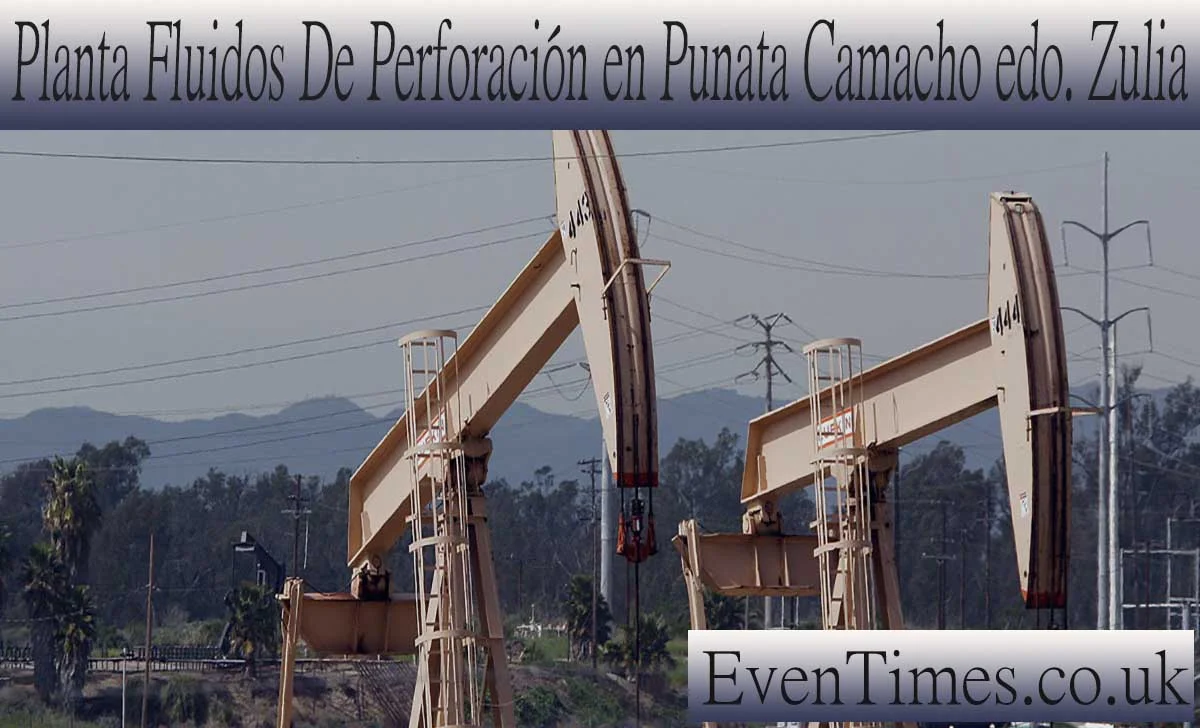
When discussing oil drilling, it is impossible to ignore the important role drilling fluids play. They are the essential ingredient in this process. Within the heart of the Venezuelan oil region, specifically Punata Camacho in the state of Zulia — a drilling fluids facility can be seen as a strategic resource in the industry of petroleum. This article delves into the operations of this facility and why it is so crucial and how it affects the regional and local economy.
Understanding Drilling Fluids
What Are Drilling Fluids?
Drilling fluids, also referred to as drilling muds, are engineered blends that are used to grease the drilling bit. They also move cuts to the ground, manage the formation pressures, and stabilise the bore.
Imagine them as their “coolant and control system” of the drilling operation.
Types of Drilling Fluids
Water-Based Muds
They are among the most popular and economical fluids. They make use of water as the base material and are perfect for drilling in shallow or medium depths.
Oil-Based Muds
These provide better thermal stability and lubricity; they are ideal for more complicated or deep wells.
Synthetic-Based Fluids
Created for areas that are sensitive to the environment, they offer the benefits of oil-based muds but have a lower environmental impact.
Why Drilling Fluids Are Essential
In the absence of drilling fluids, drilling processes would grind to a halt. They can help:
- Keep wellbore stability
- Control pressures in the formation
- Reduce friction
- Improve the efficiency of drilling
- Prevent blowouts
The Strategic significance of drilling Fluid Plant within Punata Camacho
Geographic Advantage
Punata Camacho is strategically located right in the middle of the rich oil Zulia region. Its location makes it perfect for the quick deployment of the drilling fluids that are used to access nearby oil fields.
The proximity of Oil Fields in Zulia
Zulia is the home of some of Venezuela’s most efficient oil formations. The presence of a drilling fluid facility nearby drastically cuts down the time required for logistics and also costs.
Community Impact of Economic Activity on Local Communities
This plant does not only supports the oil industry, but also creates jobs and boosts local businesses, from transport to the supply of raw materials.
The infrastructure that is part of the Drilling Fluids Plant
Storage Systems
The facility is equipped with closed tanks and silos for storage of base fluids as well as additives. A proper storage system ensures stability of the product and avoids contamination.
Mixing and Processing Units
Here’s where magic occurs. High-capacity mixers mix raw materials into precisely engineered drilling fluids specifically designed for the specific requirements of a particular well.
Laboratory as well as Quality Control Areas
The facility has advanced labs for testing density, viscosity as well as pH and other essential properties. It is also a guarantee that each batch complies with the industry standards.g-
Logistics and Transportation
With a large fleet that includes supply lines and truck fleets, the facility is able to ensure prompt delivery to drilling locations across Zulia.
Process and production of fluids
Raw Material Selection
Bentonite, barite, polymers, as well as base oils are tested and sourced to ensure consistency in performance.
Additive Blending
Additives are carefully measured and blended to achieve precise characteristics–like fluid loss control, lubrication, and stability.
Quality Assurance Procedures
Each batch undergoes rigorous tests in-house to ensure that it complies in accordance with API requirements before its distribution.
Environmental Considerations
Waste Management
The plant employs waste reduction methods, appropriate disposal techniques, as well as recycling methods to reduce the environmental impacts.
Green Drilling Fluid Technologies
Modern formulations limit toxicity, reduce emissions, and improve biodegradability–making operations cleaner and safer.
Compliance with Regional Regulations
The strict environmental regulations of Zulia oblige facilities to ensure accountable operations. This plant isn’t an exception.
The benefits of this Plant are for the Oil Industry
Faster Response Times
Local production lets drillers access fluids in hours and not even days.
Cost Reduction for Operators
Lower transportation requirements and locally procured materials reduce operational expenses for companies that operate oil.
Higher Drilling Efficiency
Regular supply and high-quality fluids enhance the performance of wells and decRegular supply and high-quality fluids enhance the performance of wells and decrease the amount of downtime. raise the amount of downtime.
Challenges Faced by the Facility
Supply Chain Limitations
The economic conditions can impact the availability of import raw materials or additives.
Environmental Risks
Fluid spills from drilling, if not properly managed, can cause harm to ecosystems around them. However, strict control measures will help reduce these risks.
Operational Costs
Maintenance, energy and skilled labor all can all contribute to the high operating costs.
Future Opportunities
Technological Upgrades
Automation, monitoring via digital and intelligent fluid systems may improve the efficiency of production.
Eco-Friendly Fluids
The growing demand for greener drilling opens up opportunities for new methods of drilling and sustainable practices.
Regional Expansion Potential
Based on its performance, it is possible to increase the plant’s capacity or join forces with other regions in order to accommodate the increasing demand from industry.
Conclusion
The drilling fluid plant is located in Punata Camacho, Edo. Zulia plays an important role in the support of the oil sector in Venezuela. From the latest processing technology to environmental protection, the facility ensures that drilling operations operate smoothly and efficiently. It also ensures sustainability. As technology develops and the energy sector develops, the plant is ready to grow and adapt.














Post Comment