Generation price management (TEM): The entire manual to Controlling modern IT expenses
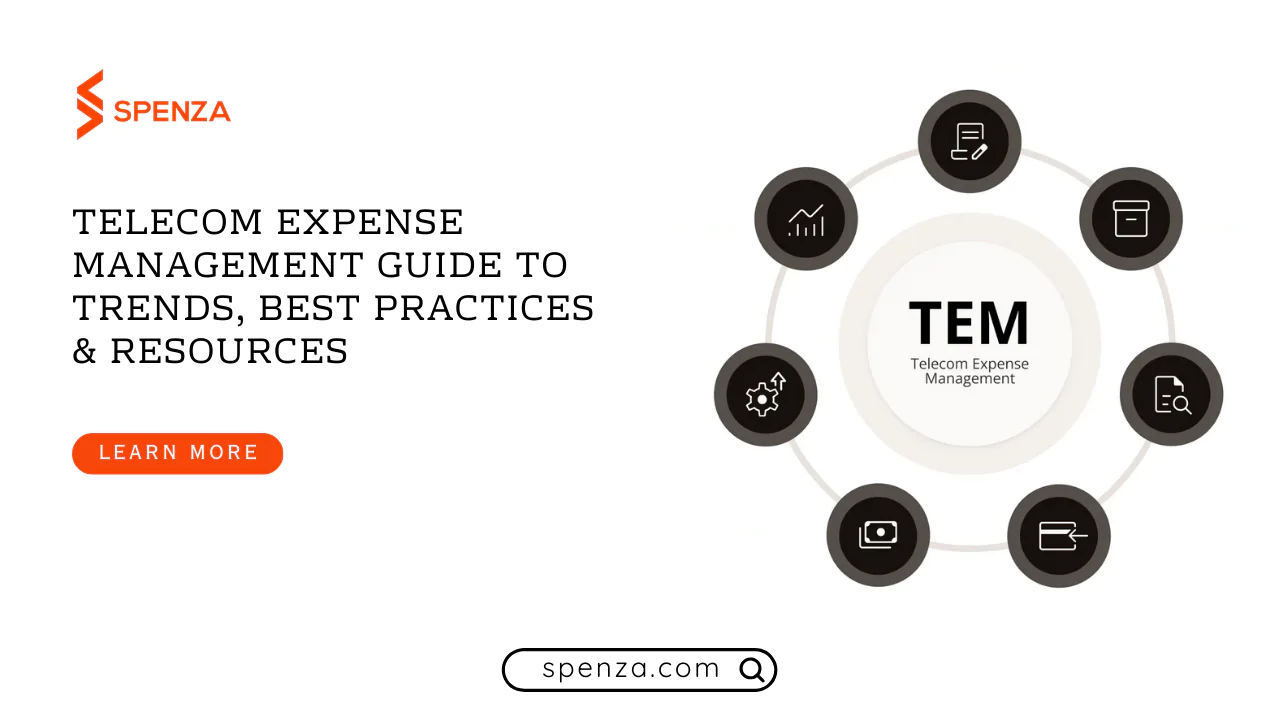
In an era where groups rely on cloud services, mobile gadgets, SaaS programs, and complicated IT infrastructures, dealing with technology expenses has emerged as one among the biggest demanding situations for agencies. generation spending is rising each 12 months — however visibility and control often lag in the back of.
Era expense control (TEM) has emerged because the strategic answer groups need to knock out waste, optimize costs, and ensure every technology investment grants a fee.
This newsletter explores what TEM is, why it subjects, and how it transforms IT financial control.
What is era rate control?
Generation fee control (TEM) is the dependent technique of monitoring, studying, and optimizing all generation-related expenses within a business enterprise.
TEM covers expenses such as:
- Telecom and cell offerings
- Cloud structures (AWS, Azure, Google Cloud)
- SaaS subscriptions
- Network and net offering
- Hardware procurement and lifecycle charge
- IT upkeep and guide contracts
- Software licensing and renewals
TEM offers full visibility into which generation money goes — and the way to lessen pointless spending
Why TEM Is indispensable for present day groups
Technology prices are some of the quickest-growing charges in these days’s organizations. except TEM, organizations regularly battle with:
- Unused or duplicate software program subscriptions
- Billing errors from companies
- Shadow IT (unapproved equipment purchased by employees)
- Unmonitored cloud spending
- Outdated gadgets nonetheless incurring prices
A nicely-implemented TEM application solves those issues with precision.
Key Benefits of TEM
Huge cost deposit organizations regularly reduce generation expenses by using 10%–forty% thru audits, corrections, and optimization higher monetary Visibility TEM centralizes all IT prices into one obvious machine.✔ Smarter Budgeting & Forecasting actual-time utilization tendencies assist teams forecast destiny charges correctly. Operational efficiency, automated bill processing and asset monitoring reduce guide paintings. advanced vendor control
TEM tracks contracts, negotiates costs, and ensures vendors meet provider-stage agreements.
Core Components of a Strong TEM Program
1. fee & invoice control
Collects all payments, verifies accuracy, and detects overcharges or useless expensestwo. Asset & inventory tracking
Monitors devices, licenses, SIM cards, cloud resources, and hardware lifecycles.
3. Usage Analytics
Shows how resources are actually used — highlighting waste and optimization opportunities.
4. Contract & Vendor Management:
Tracks renewals, manages negotiations, and ensures competitive pricing.
5. Cloud Cost Optimization
Addresses cloud overspending, such as idle servers or oversized configurations.
6. SaaS Governance
Prevents duplicate subscriptions and enforces license compliance.
TEM in the Cloud and SaaS Era
Cloud and SaaS spending is skyrocketing worldwide — but so is waste.
Common issues include:
- Paying for unused cloud instances
- Over-provisioned virtual machines
- Forgotten SaaS trials that auto-renew
- Redundant apps across teams
Cloud-enabled TEM solutions help businesses:
- Detect idle or abandoned cloud resources
- Allocate cloud costs to teams or departments
- Set automated spending alerts
- Optimize garage and compute usage
- Consolidate overlapping SaaS tools
This makes TEM indispensable for modern digital operations.
Which Organizations Benefit Most from TEM?
TEM is essential for:
- Enterprises with large mobile device fleets
- Corporations the use of more than one SaaS programs
- Agencies with hybrid or multi-cloud environments
- Corporations with complicated telecom and network setups
- Any company seeking stronger IT financial control
Whether a startup scaling quickly or a large corporation with thousands of devices, TEM brings financial discipline to technology.
Future Trends in Technology Expense Management
TEM continues to conform as the era grows more complicated. Rising tendencies consist of AI-driven Optimization structures that predict spending spikes and propose price-saving moves Automation for Invoices and Contracts decreasing guide review time and getting rid of human mistakes integrated economic Dashboards Combining IT, operations, and finance insights for management teams advanced SaaS explanation
Final Thoughts
Technology Expense Management is no longer just a cost-control function — it is a strategic business necessity.
By providing visibility, accuracy, and financial intelligence, TEM helps companies:
- Prevent overspending
- Optimize technology usage
- Strengthen vendor relationships
- Support smarter IT decision-making
In a world where technology drives every business function, TEM ensures those investments deliver maximum value with minimum waste technology fee control (TEM): The whole guide to Controlling modern IT prices In an era wherein companies rely upon cloud offerings, mobile devices, SaaS applications, and complicated IT infrastructures, managing era expenses has ended up one among the largest demanding situations for businesses. Generation spending is rising every 12 months — but visibility and management often lag behind.
Generation cost management (TEM) has emerged because the strategic solution corporations need to eliminate waste, optimize charges, and make sure every generation investment offers fee.














Post Comment